Cairo is the capital of Egypt and the largest city in the country, with a population of more than 10 million people. It is part of the Greater Cairo metropolitan area, which is the largest urban agglomeration in Africa, the Arab world, and the Middle East, with over 22 million inhabitants, making it the 12th-largest metropolitan area in the world by population.
Cairo is closely connected to ancient Egyptian civilization, as the Giza pyramid complex and the ancient cities of Memphis and Heliopolis are located within its geographical area. Situated near the Nile Delta, the city first developed as Fustat after the Muslim conquest of Egypt in 641 CE, near the ancient Roman fortress of Babylon. Cairo itself was officially founded by the Fatimid dynasty in 969 CE and later became the main urban center during the Ayyubid and Mamluk periods between the 12th and 16th centuries.
Known as “the city of a thousand minarets” because of its rich Islamic architecture, Cairo has long served as a political and cultural center for the region. Its historic center was designated a UNESCO World Heritage Site in 1979. Cairo is also considered a global city and holds a “Beta+” classification according to the Globalization and World Cities Research Network (GaWC).
The city is home to the oldest and largest film and music industry in the Arab world, as well as Al-Azhar University, Egypt’s oldest institution of higher education. In addition, the Arab League has maintained its headquarters in Cairo for most of its existence.
Like many major megacities, Cairo faces challenges such as heavy traffic congestion and high levels of pollution. However, the Cairo Metro, which opened in 1987, became the first metro system in Africa and is now one of the busiest metro systems in the world, carrying more than one billion passengers annually. Cairo also remains one of the most influential economic and cultural hubs in the Middle East.
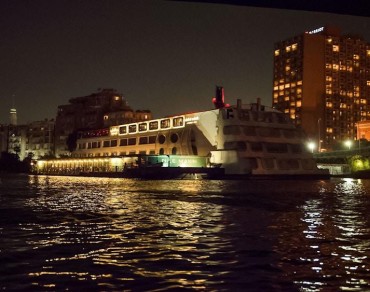
Cairo
Nile Dinner cruise
Discover Cairo from a different perspective with an unforgettable Nile Dinner Cruise. Sail along the...
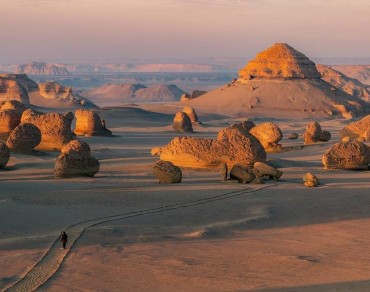
Cairo
Al Fayoum Day Trip
Escape the city and discover the natural wonders of Al Fayoum on an unforgettable day...
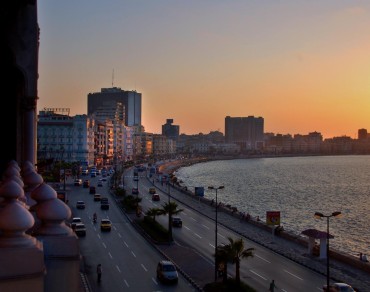
Cairo
Alexandria Day Trip
Discover the charm of Alexandria on a full-day tour from Cairo, where rich Greco-Roman heritage,...
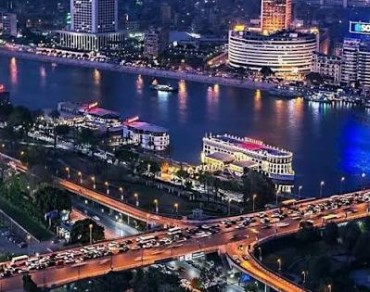
Cairo
Cairo City Tour
Discover the vibrant heart of Egypt on a captivating Cairo City Tour, where ancient wonders,...