Luxor is one of the most famous historical cities in Egypt and is often called “the world’s greatest open-air museum.” Located on the east bank of the Nile River in southern Egypt, Luxor was once the ancient city of Thebes, the capital of Egypt during the New Kingdom period.
Luxor is home to some of the most important monuments of ancient Egyptian civilization. The city is divided by the Nile into the East Bank, traditionally associated with life and worship, and the West Bank, associated with death and burial.
On the East Bank, visitors can explore:
• Luxor Temple, a magnificent temple complex located in the heart of the city.
• Karnak Temple Complex, one of the largest religious complexes ever built, dedicated mainly to the god Amun-Ra.
On the West Bank, famous archaeological sites include:
• Valley of the Kings, where many pharaohs, including Tutankhamun, were buried.
• Valley of the Queens
• Temple of Hatshepsut, dedicated to Queen Hatshepsut.
• Colossi of Memnon, two massive stone statues standing at the entrance of a destroyed temple.
Luxor has played a major role in archaeology and Egyptology for centuries. Many discoveries from the city helped historians understand ancient Egyptian religion, royal life, and burial traditions.
Today, Luxor is one of Egypt’s top tourist destinations. Visitors come from around the world to enjoy its temples, tombs, Nile cruises, museums, and famous sunrise hot air balloon rides over the ancient monuments and desert landscape.
Compared to large modern cities such as Cairo, Luxor has a quieter atmosphere focused mainly on tourism, history, and traditional Egyptian culture.
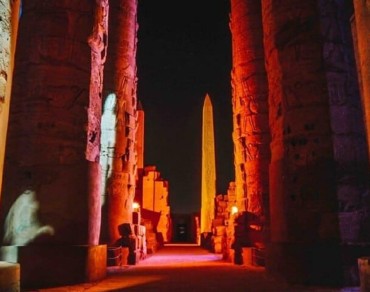
Luxor
Sound and light show in Luxor city
Experience the magic of ancient Egypt after sunset with the spectacular Sound and Light Show...
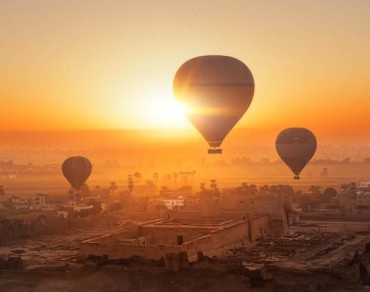
Luxor
Hot Air Balloon
Soar above the timeless landscapes of Luxor at sunrise and witness breathtaking panoramic views of...